Ledger Live Login: Everything You Need to Know
Cryptocurrency has transformed how people manage money, but with this freedom comes responsibility. Unlike traditional banking, crypto users are responsible for securing their assets. Ledger Live, the official application for Ledger hardware wallets, makes managing crypto easier and safer. Logging into Ledger Live might seem straightforward, but there are important steps, precautions, and tips every user should know. This guide will walk you through Ledger Live login, troubleshooting, and security best practices.
What is Ledger Live?
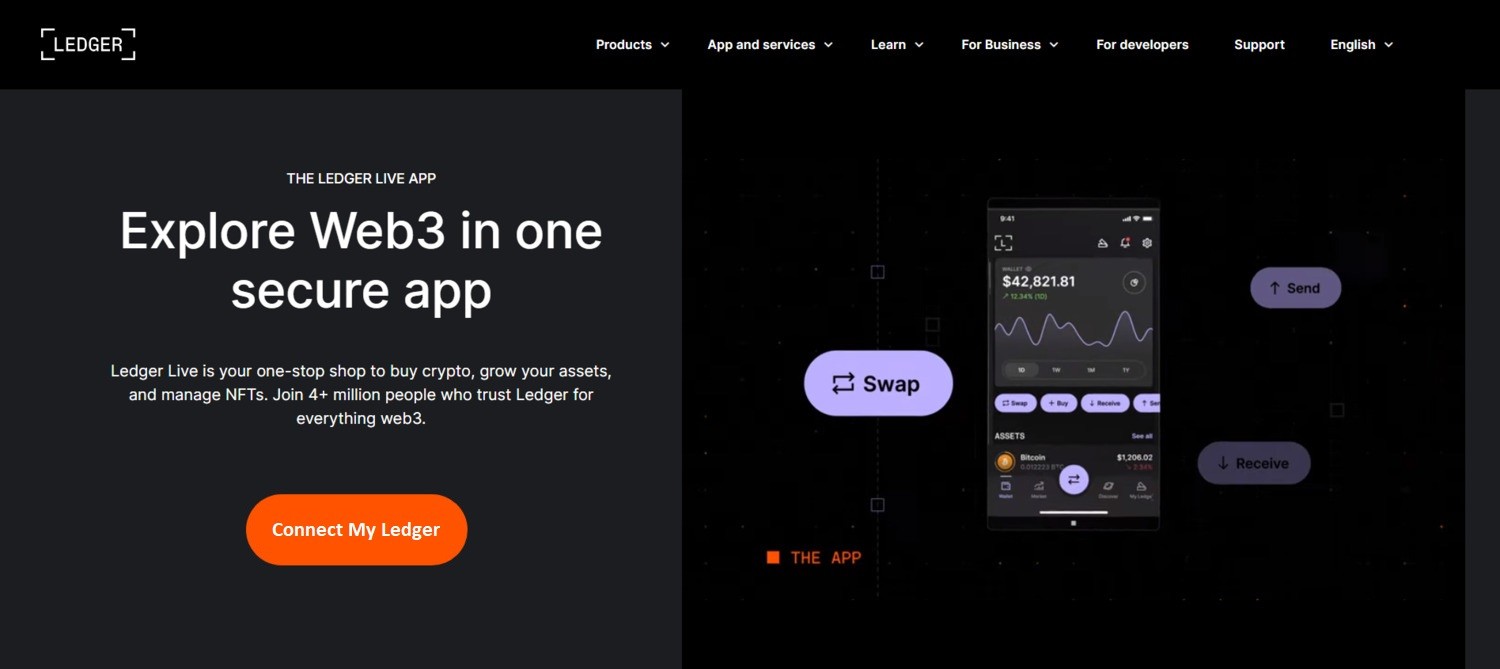
Ledger Live is a desktop and mobile app that connects to Ledger hardware wallets like the Ledger Nano S, Nano S Plus, and Nano X. It is not a wallet itself but a management interface that allows users to safely access their cryptocurrency holdings. The app is designed to be simple yet secure, allowing you to:
View and manage multiple crypto accounts.
Check balances and transaction histories.
Send and receive cryptocurrencies.
Install or update apps on Ledger devices.
Access staking or other crypto services.
Ledger Live is available for Windows, macOS, Linux, iOS, and Android, making it accessible across devices. However, it is important to understand that your assets never leave the blockchain—they are only managed through the app with your Ledger hardware wallet.
Why Ledger Live Login is Different
Unlike typical online accounts that require a username and password, Ledger Live login is primarily about connecting your hardware wallet. Your crypto funds are not stored on Ledger Live; they remain on the blockchain. Logging in involves proving that you have physical access to your Ledger device and entering your PIN on the device itself.
This method has several advantages:
Maximum Security: Your private keys never leave the Ledger hardware wallet.
User Control: You retain full control over your crypto.
Minimal Risk of Hacking: Since Ledger Live doesn’t store sensitive credentials on servers, online attacks are far less effective.
In short, Ledger Live login is about authenticating your hardware wallet, not signing into a centralized account.
Preparing to Log In
Before logging into Ledger Live, there are a few steps to ensure a smooth experience:
Have a Ledger Device: Nano S, Nano S Plus, or Nano X.
Update Firmware: Ensure your Ledger device firmware is up-to-date.
Download Ledger Live: Use the official Ledger website to get the latest version.
Have a PIN Set: Your device must have a secure PIN code.
Keep Recovery Phrase Safe: Your 24-word recovery phrase is your ultimate backup. Never share it with anyone.
How to Log Into Ledger Live
The login process varies slightly between desktop and mobile devices.
Desktop Ledger Live Login
Install Ledger Live:
Download from Ledger’s official site and install the application.
Open the App:
Launch Ledger Live on your computer.
Connect Your Ledger Device:
Use a USB cable to connect your hardware wallet.
Enter PIN:
Unlock your device with the PIN you created during setup.
Access Accounts:
Ledger Live will detect your device and load your crypto accounts.
Mobile Ledger Live Login
Install Ledger Live Mobile:
Download from Google Play Store or Apple App Store.
Pair With Your Ledger Device:
Use Bluetooth (Nano X) or USB OTG (Nano S models may require USB connection).
Enter PIN:
Unlock your Ledger device to authorize the connection.
Manage Crypto:
You can now view balances, send/receive funds, and manage accounts.
Troubleshooting Ledger Live Login Issues
Even experienced users can face problems. Here are common issues and solutions:
Ledger Device Not Detected:
Try a different USB port or cable.
Ensure Ledger Live is updated.
Restart the computer or mobile device.
PIN Incorrect:
Enter carefully. Multiple wrong entries may temporarily lock your device.
App Crashes:
Close Ledger Live and reopen it.
Reinstall Ledger Live if necessary.
Bluetooth Connection Fails (Mobile):
Make sure Bluetooth is enabled on both devices.
Reboot your Ledger device and the mobile app.
Ledger Live Security Tips
Security is crucial when using Ledger Live. Here’s how to protect your assets:
Never Share Recovery Phrase:
Ledger will never ask for it. Keep it offline and secure.
Only Use Official Software:
Avoid third-party apps claiming to work with Ledger.
Enable Device PIN:
Protects your hardware wallet from unauthorized access.
Keep Ledger Live Updated:
Regular updates fix bugs and improve security.
Check Transactions on Device:
Always verify the address on the device screen before approving.
Advanced Features After Login
Once logged in, Ledger Live offers several advanced tools:
Account Management: Add or remove crypto accounts and monitor balances.
Portfolio Overview: View your entire crypto portfolio in one place.
Send/Receive Crypto: Approve transactions securely on your hardware device.
Buy or Swap Crypto: Use Ledger’s partner services for easy trading.
Staking: Stake certain cryptocurrencies directly from Ledger Live to earn rewards.
Using Ledger Live Without a Hardware Wallet
While the main purpose of Ledger Live is to work with a hardware wallet, it does have limited software-only functionality:
You can monitor portfolio performance.
You can view crypto prices.
Transaction signing still requires a hardware wallet to ensure security.
This approach ensures your private keys remain secure while still allowing partial app usage.
Recovery Options
If you lose access to Ledger Live:
New Device:
Purchase a new Ledger device.
Restore Wallet:
Use your 24-word recovery phrase to restore your accounts on the new device.
Reinstall Ledger Live:
Download Ledger Live on a new device and reconnect your hardware wallet.
Best Practices for Ledger Live Login
Dedicated Device:
Avoid using Ledger Live on shared computers.
Secure Backup:
Keep your recovery phrase offline in a safe place.
Official Sources Only:
Download Ledger Live and firmware updates from the official Ledger website.
Regularly Review Accounts:
Monitor for unusual transactions.
Enable Security Alerts:
Ledger Live can notify you of important security updates.
Conclusion
Logging into Ledger Live is more than a simple software login—it is about securely connecting your Ledger hardware wallet to access your crypto safely. By following these steps, keeping your firmware and app updated, and adhering to security best practices, you can confidently manage your cryptocurrency portfolio. Ledger Live, combined with the security of a hardware wallet, provides a robust, safe, and user-friendly way to handle your digital assets.